Chip
Value
Per Player
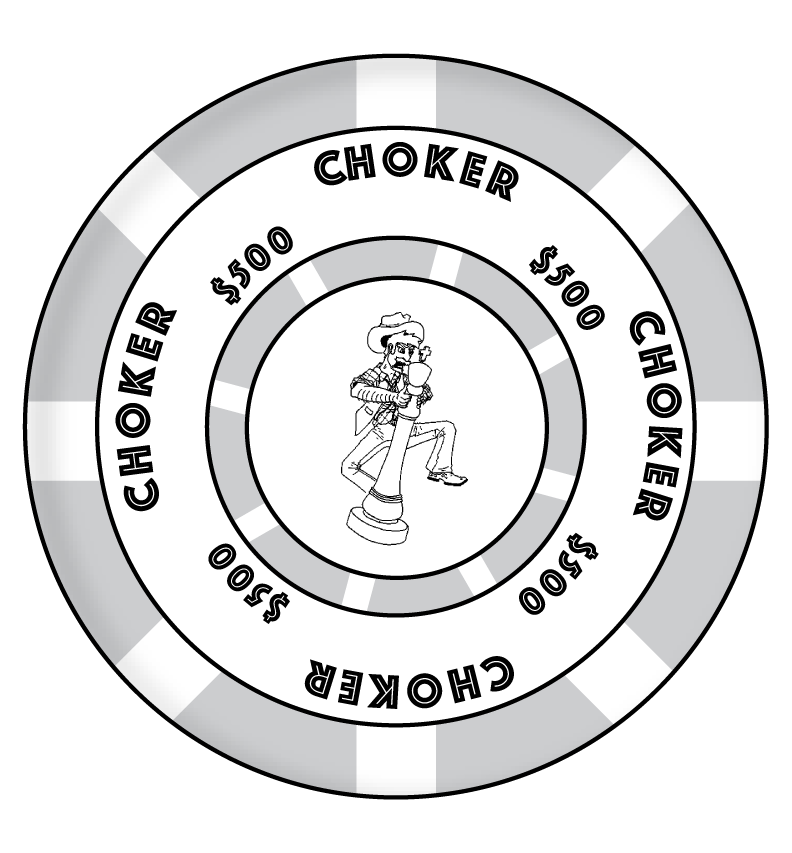
$500
x22
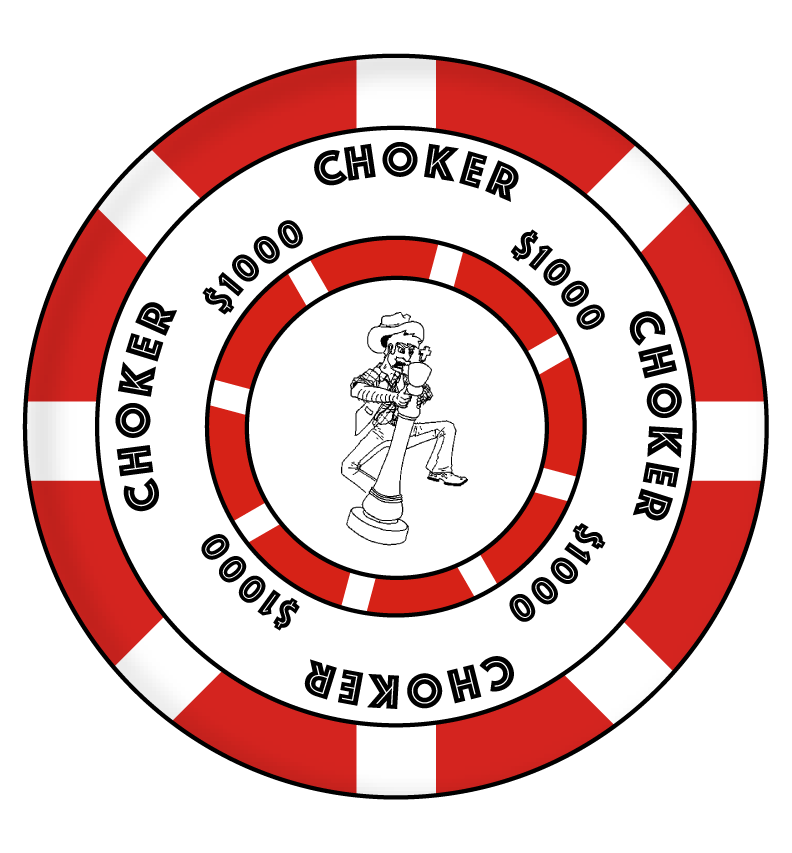
$1,000
x13

$2,000
x8
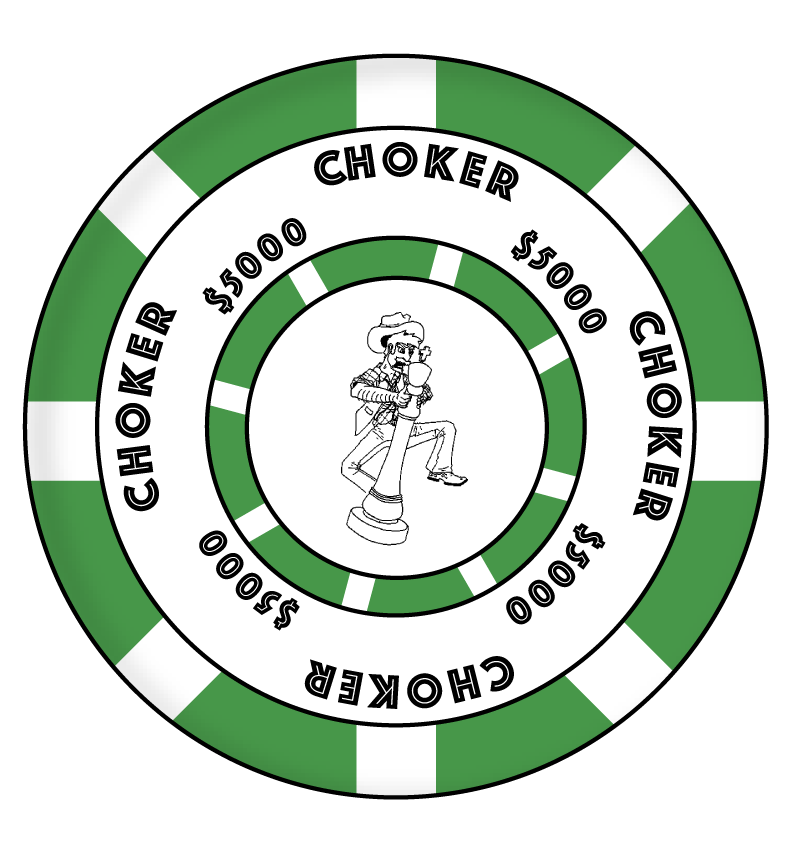
$5,000
x6
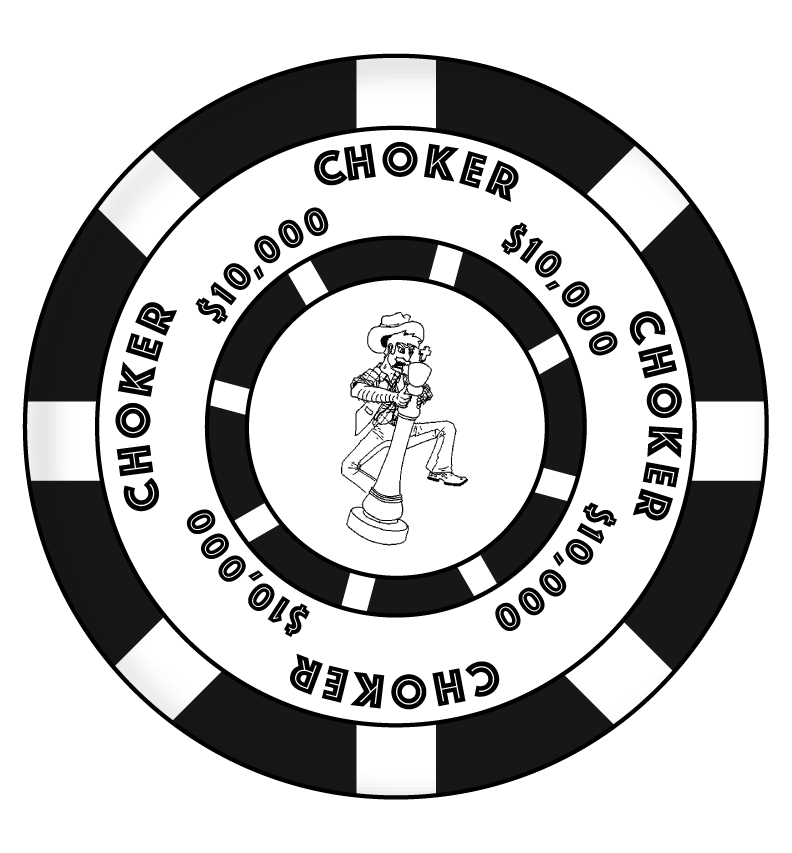
$10,000
x0
Piece
Value
Per Player
$1,000
x8
$3,000
x2
$3,000
x2
$5,000
x2
$10,000
x1
Set up the chess board the way you would to start a normal game of chess but leave room on the table to play poker too.
Each player has their own deck of cards.
You should also have an object for a dealer button that will be passed to the opponent at the end of each turn.
Each player should have poker chips in the amounts shown on the Pieces page.
Dealer posts the small blind ($50). Opponent posts big blind ($100).
Each player cuts their opponents deck of cards. Bottom card in the cutters hands are compared. Who has the high card in their hand deals the first hand. The dealer changes each round.
After the cut cards are reshuffled and each player cuts the opponents deck again to ensure that there is no stacking of the deck.
The player that won the cut gets to deal the first hand.
Blinds are $500/$1,000.
Dealer posts the small blind ($50). Opponent posts big blind ($100).
Bets must be a minimum of the big blind ($100)
Initial bets and raises must be at least the amount of the big blind.
Over the top raises must equal the opponents bet plus a minimum of the big blind.
The betting is complete when both parties have the same amount in the pot.
Any player may fold on their turn during any betting sequence except if the player’s king is in check.
Dealer deals cards with first card going to the opponent and second going to himself then third to his opponent etc. (If not playing hold’em dealer still deals to the opponent first).
Both players look at cards in their hand.
Dealer has to call the big blind, raise or fold. If dealer calls the big blind then the dealer discards the top card in the deck and places three cards face up on the table in front of them. this is called “the flop”.
Dealer then has the option to check, bet or fold. If the dealer bets the opponent must then call, raise or fold.
After a round of betting is complete the dealer discards the top card in the dealer’s deck and flips the next card over placing it on the right of the three cards already on the table. This is called the turn card.
Betting resumes as it did the previous hand with the dealer betting first.
Once both players have the same amount in the pot the dealer discards the top card in the dealer deck and flips over the last card. This is called “the river”.
Betting commences again.
Once betting has stopped, if everyone is still in the game the dealer flips over his cards to reveal the two cards in his hand. Then the opponent flips over their cards.
Whoever has the highest 5 card hand, combining their two cards with any of the five cards on the table wins the hand. The winner can them move a chess piece, sell a chess piece or buy a chess piece and place it on the board.
If the opponent folds the winner gets to automatically move, sell or purchase a piece. The looser may pay to move a piece
NO ADDITIONAL PIECES MAY BE PLAYED UNTIL A PIECE IS REMOVED FROM THE BOARD. This can be through selling a piece or loosing a piece to the opponent.
All standard Chess rules apply for the movement of the chess pieces.
Any new chess piece added to the board must be placed behind the players front line. That is either their first or second row.
Pawns may move two spaces forward when they are being deployed for the first time. This includes new pawns purchased during game play.
The player opposing the winner of the hand may spend the cost of a piece to move a piece on the chess board after the winner of the hand has taken their move. Otherwise they deal the next hand.
If the looser chooses to move a piece, once they have completed their move the next hand is dealt.
Game play continues as it did the first round but the dealer changes sides.
If you deal a hand without shuffling your opponent gets to remove one of your pieces.
You may pay $1,000 to shuffle you or your opponents deck before a hand is played. (optional)
Shuffle the deck every hand.
Players must win a hand of poker before they can purchase their first piece.
When a king is placed in check the bets are doubled.
Blinds become $1,000/$2,000
If the king in check wins the hand they can take two moves.
There are two ways to win a game.
You can sell pieces back to the bank for their equivelelt value as long as the move doesnt put you in check.
Like is regular chess, if you can get a pawn across the board you can get a piece back. You may also purchase pieces from the bank.
The king in check has to choose to go all in blind.
Pay the the cost of the piece that yould put him out of check.
Purchase a piece at twice the cost to put in the path of check.
The king in check wants to go for broke.
If the opposing player chooses to play the hand and they win, the game is over. If the king in check wins, he gets the pot and gets to move a piece to put his king out of check.
Instead of paying the hand the king can pay twice as much to place a piece in the path of the check.
If the king in check calls it correctly he gets a free move. If he fails, the opposing king gets to choose if the king in check is going to play the hand or move a piece.
When a player cannot play a hand of poker and has no pieces to sell.
When a player is placed in check mate and canot defend by placing a piece in the path not move a piece that will put the king back into safety.
King in check decides to play his hand blind and looses.
Rules of Chess Rules of Poker